
European Resilience
European Resilience sits within our Drivers of Instability & Effects on our Democracies program, focusing on exploring the governance challenges facing European democratic institutions in changing geopolitical, environmental, and technological circumstances.
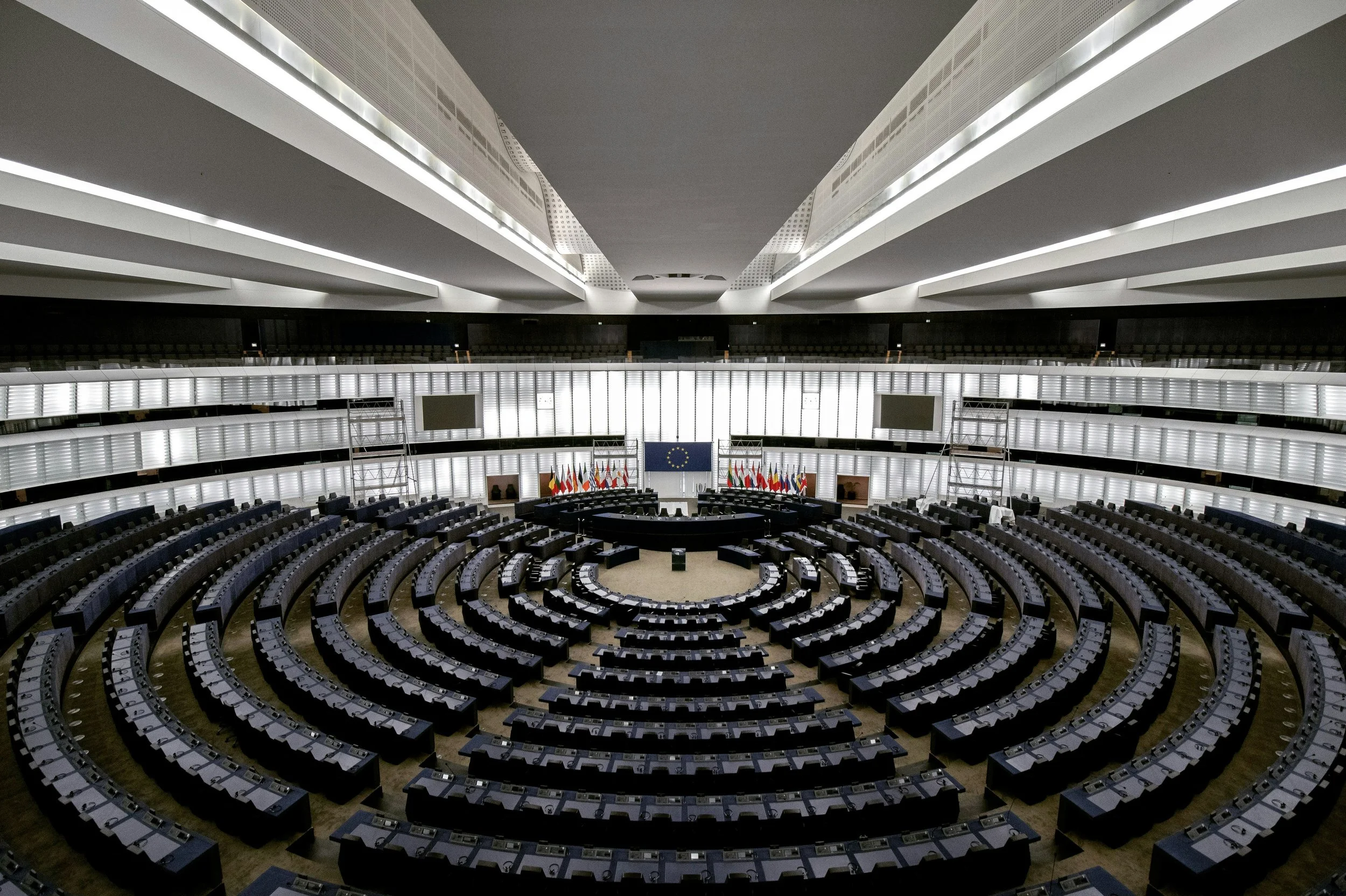
Parlement européen Strasbourg, France by Frederic Köberl (@internetztube)
Europe's democratic institutions were built for a different world. They now face simultaneous pressures - geopolitical competition, defence and security, the governance of new technologies, and the fragmentation of the information environment - that test their legitimacy, coherence, and capacity in ways their architects did not anticipate. Our European Resilience series examines these pressures across the domains where they are most acute. The question running through all of it is the same - whether and how European democratic institutions can adapt quickly enough, and on terms that preserve rather than erode the democratic foundations they rest on.
Decisions about defence integration, data sovereignty, space governance, and public communication are being made - and need to be made - in shifting geopolitical, technological and systemic circumstances, and at a pace that outstrips the established norms of democratic deliberation. The legitimacy of these decisions - and the resilience of the institutions making them - is not guaranteed.
How European institutions sustain democratic legitimacy and public trust while responding to civilisational pressures that demand rapid, coordinated action is one of the great questions of the 21st century. European Resilience looks at where governance is working, where it is failing, and where targeted policy intervention can make a material difference to stability and resilience in Europe.
This program is led by Davide E. Iannace, in collaboration with Sara Pane, Maia Sacchetto, and Kristina Bilimenko.
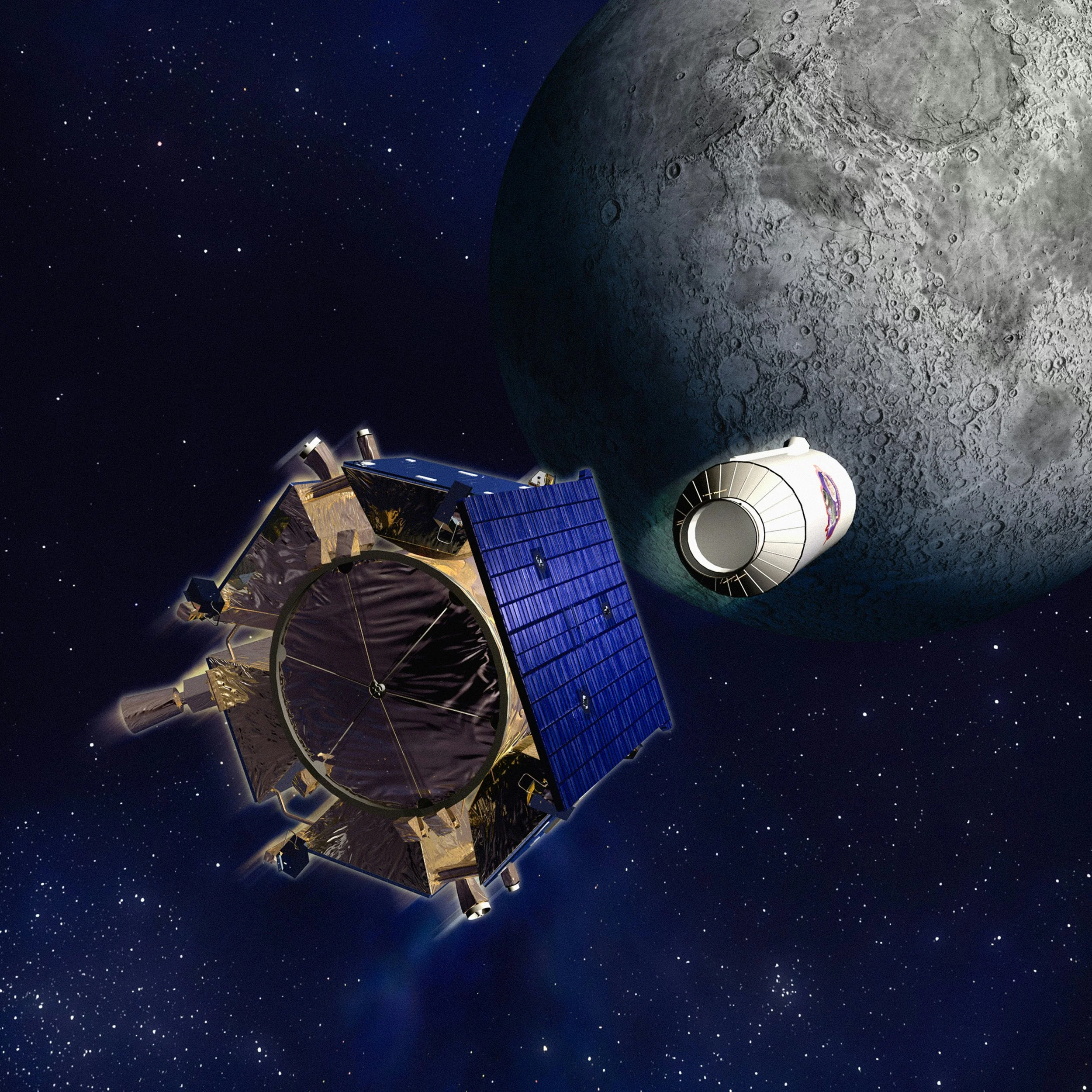
Orbit Without Order: The Costs of Fragmented Space Governance
The rules governing outer space were written for a world of state actors and Cold War rivalry. They have not kept pace with technological acceleration and the economic, political and international instability of the modern era. This Commentary examines how the fragmentation of space governance - from the Artemis Accords to the rise of private mega-constellations - is producing strategic dependencies and democratic accountability gaps that European institutions are only beginning to reckon with - and where and how Europe needs to shore up its policy on space governance.
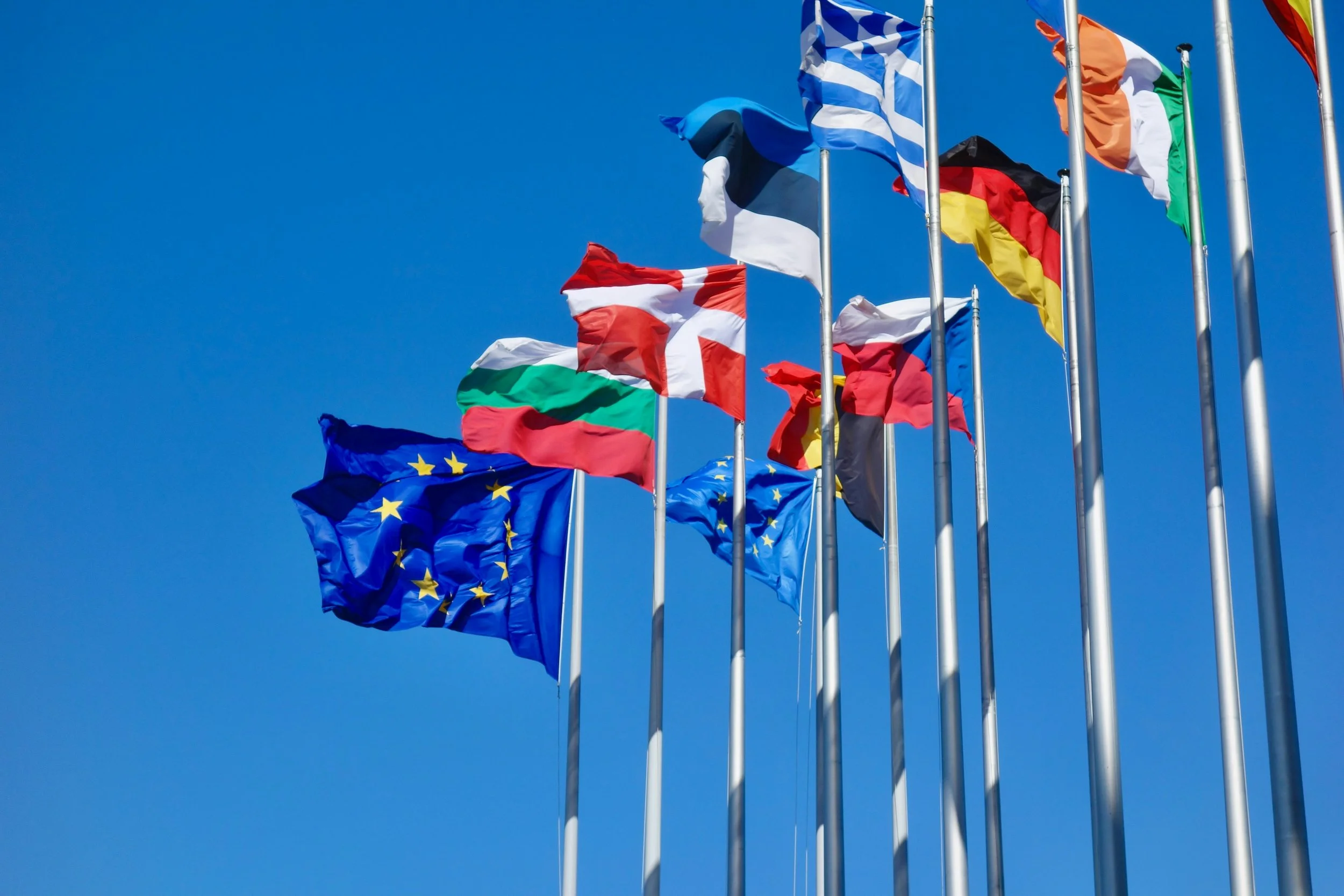
European Defence and the Legitimacy Problem
European defence cooperation is expanding rapidly in response to geopolitical instability, from Russia’s invasion of Ukraine to growing uncertainty about the long-term reliability of transatlantic security guarantees. New financing instruments, industrial policies, and coordination mechanisms are accelerating the development of a more integrated European defence architecture. Yet institutional reforms and funding alone cannot sustain this transformation. Defence remains one of the most politically sensitive domains of governance in Europe, touching directly on sovereignty, public spending, and national identity. As cooperation deepens, its viability will increasingly depend on how these policies are communicated to and understood by European citizens. In a fragmented information environment marked by disinformation and strategic competition, public opinion itself becomes a critical arena of security governance. Building European defence therefore requires not only stronger institutions and industrial capacity, but also clearer public communication capable of sustaining democratic legitimacy.
From the Page to the Podcast: Our Contributors in Conversation
GIE Foundation is proud to partner with and sponsor L4T - The Podcast, hosted by Rosalia D'Agostino and Giacomo de Gregorio.
Following the publication of each new Commentary in our European Resilience series, our researchers join L4T to discuss their findings, the policy implications, and the broader questions their work raises.
Watch our contributors on the podcast below.
Davide E. Iannace and Maia Sacchetto on L4T podcast discussing Orbit without Order: The Costs of Fragmented Space Governance