
European Defence and the Legitimacy Problem
By Davide E. Iannace and Sara Pane, in collaboration with the Geopolitical Insight and Education Foundation
Introduction
The at-times heavy debate around the potential need for a common European defence and security policy, and even the idea of a common military force, are not new trends in the European political arena or in European political thought; and recent questions on the strategic stability of the Atlantic alliance are only the latest round of impetus for the question. The first instance, however, without considering pre–Second World War attempts, emerged in the late 1940s. The idea of a common security framework arose from the rubble of the most destructive conflict in history, and the menace represented by the Soviet Union in the East (Fursdon, 1980).
Against the perceived threat posed by the Soviet Union in the East, initial efforts by European countries to engage in collective defense led to the Western Union (comprised of the United Kingdom, France, and the Benelux countries), and at the same time, to the first failure of the European Defence Community (EDC): The idea behind the EDC was that of a pan-European military force split between the national components of it, and with a common procurement, budget, and command and control capability. It was a very advanced treaty in its political and governance structure; but this advancement meant, for many countries, a loss of national sovereignty. And precisely because of this ambition, consequently, it encountered insurmountable resistance.
National identity and sovereignty, perhaps unsurprisingly, proved the sticking point: It was considered too extreme for the Gaullists in France, which did not ratify the treaty in 1954 (Markowski and Wylie, 2007). The idea of real, common European defence, stalled, while the forms of cooperation established by the Western Union remained, even if most of its action was either captured by the rising role of the NATO (North Atlantic Treaty Organisation), or the political formation of the ECSC (European Coal and Steel Community).
But the structure and necessities presented by the EDC reappear constantly in the recent transformations the Common European Defence and Security framework is undergoing in response to the rising geopolitical threats to the European Union, including: (i) an aggressive and expansionist Russian state posture (accelerated by the Ukraine War); (ii) the ambivalence and potential divestment of the United States from NATO under the second Trump Presidency; (iii) the role of former developing countries, such as China and India, and their increasing presence in global power politics (Michaels and Sus, 2025).
So too must we consider the most recent US National Security Strategy (NSS), published in 2025 (White House, 2025). In the latest NSS, the US has pushed for a more aggressive posture against the European Union openly and decisively. Combined with the recent actions of President Trump regarding Greenland, this posture seems not only to be relegated to the NSS, but has rather become a key element of the current foreign policy stance of the US. Read alongside recent actions by President Trump in Venezuela, Ecuador and Iran, and statements (even threats) towards Cuba and Denmark/Greenland and others, this posture appears not merely declaratory, but indicative of a broader reorientation of US foreign policy, with direct implications for Europe’s strategic autonomy and political credibility.
This commentary will assess where the European defence architecture currently stands, considering both legislative developments and the current state of European cooperation on such issues. We will briefly present the landscape of the European defence industry, highlighting both its recent evolutions and its structural shortcomings. Finally, we will outline the next steps the European Union is currently pursuing and identify key gaps within the wider defence architecture.Throughout, this analysis situates defence not only as a matter of external security, but as a structural condition shaping political stability, institutional resilience, public trust within European democracies, and the stability of European democratic systems under sustained geopolitical pressure. In this sense, questions of defence organisation, financing, and communication intersect with broader concerns about public trust, democratic consent, and the capacity of European institutions to govern effectively in an era of prolonged crisis. A particular focus will be devoted to how defence issues are communicated and to the strategic role of policy language in shaping public attitudes toward the EU.
The long-term viability of these developments will depend not only on institutional design or financial instruments, but also on the political legitimacy that sustains them. Defence policy occupies a uniquely sensitive position within European politics, intersecting with questions of sovereignty, public spending, and strategic identity. As European cooperation in this field deepens, the ability of institutions to communicate the rationales and objectives of defence integration to the European populace becomes increasingly central to maintaining democratic support.
Understanding this challenge requires first examining how the current European defence architecture actually operates. The following sections therefore review the historical origins of common defence initiatives, the institutional and operational structures through which cooperation is currently organised, and the industrial and financial mechanisms that increasingly underpin European defence policy. This overview provides the foundation for the central argument of this paper: that the future trajectory of European defence integration will depend not only on institutional reforms or funding instruments, but equally on how these developments are communicated and legitimized within European public debate.
The current European defence architecture
To understand how tensions between ambition, sovereignty, trust, and legitimacy are institutionalised in practice, it is necessary to unpack the current architecture of European defence and examine how its operational and economic dimensions have been constructed and governed over time. Despite its growing ambitions in the field of defence and security, the European Union lacks the legal and political foundations of a federal state. Decisions concerning external action, defence, and security consequently remain largely in the hands of the member states. At the same time, however, and notwithstanding this primacy of national sovereignty, the Union has progressively sustained and coordinated the deployment of quasi-military capabilities. This coexistence of “limited competences” yet with expanding expectations reveals a structural tension that directly affects political legitimacy and public trust, as European institutions are increasingly called upon to act in domains where their authority remains indirect and constrained.
Within this constrained context, the contemporary European defence architecture at present, is conceived through a division into two main pillars: One is an economic dimension, centred on defence industry and procurement; the other is an operational dimension, concerned with the planning, coordination, and deployment of security and defence missions.
The two main bodies which structure the operational elements of European common defense policy, are the European External Action Service (EEAS) and the European Common Security and Defence Policy (CSDP) (Krentz, 2025). These elements derive their legal basis in the Treaty of Lisbon (Duke, 2011), which sets out, through a series of specific articles, the fundamental elements for the future of defence policies in Europe. Articles 24, 27 and 36 of the Treaty of the European Union (TEU) define the role of the European Parliament in such matters, while the chapters Articles 21-46 of the Treaty expand on the external policies of the Union and, by extension, the possible role of defence issues in it.
As a result, choices on external policy, defence policy, and security policy generally remain in the hands of nation states. Despite this priority of national over European powers, the European Union has nonetheless sustained and supported the deployment of quasi-military elements on several occasions.
Under the banner of the EEAS and, consequently, the CSDP, the European Union has launched more than 40 overseas operations since 2003 (see Figure 1), of which 21 are currently active in various parts of the world. These operations vary greatly in terms of the type of commitment deployed, their scope, and their mandate. EEAS-led operations can be either civil or military. Examples of civil operations include EUAM Iraq or EUAM Ukraine. In both cases, civilian personnel operate on the ground, supporting security reforms in particularly challenging environments, through processes of policy support and capacity building aimed at reinforcing local political stakeholders. Similar capacity building missions are also conducted in Somalia and Mali (ECA, 2019), where civilian advisors from EU countries support local stakeholders in an effort to reinforce local security capabilities and governmental authority . (Further information on the CSDP military and civilian mission can be found directly on the transparency website, at the following address: Civilian and military missions and operations - Consilium.)
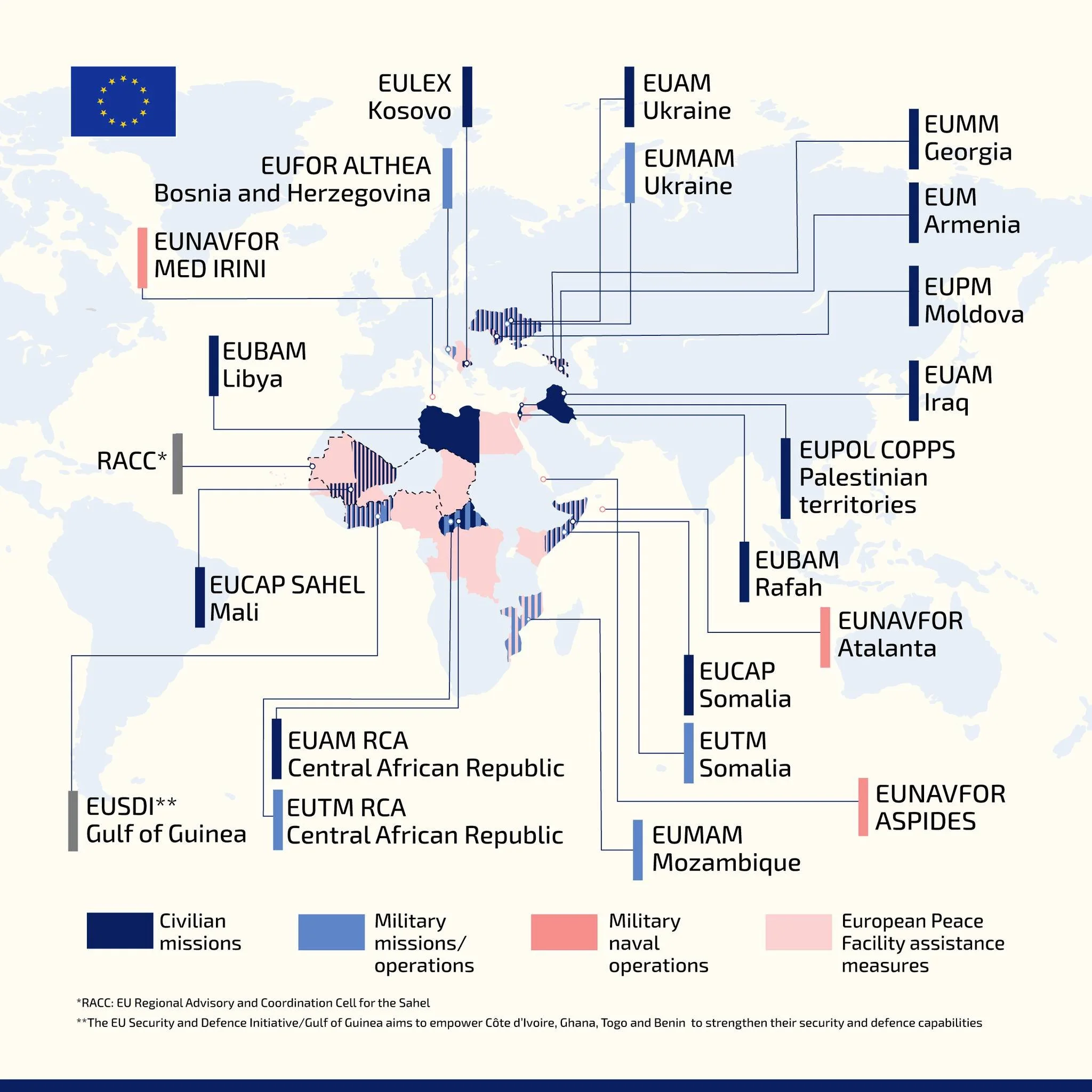
Figure 1: European External Action Service mission map
At the same time, a second branch of European operations under the CSDP has a more military focus. Operations in Ukraine, Mozambique, the Central African Republic, and Somalia aim to strengthen local security forces through mentoring and training. The EU is also present in Bosnia & Herzegovina as a peacekeeping force under Operation ALTHEA, and it maintains three naval operations: Atalanta, Irini, and Aspides, covering areas ranging from the Indian Ocean to the Mediterranean Sea, with the objective of maintaining naval security and the safety of commercial routes passing through high-risk areas, where several threats, such as piracy and attacks from Houthi militants in Yemen could hinder the free flow of trade and movement. The landscape of operations conducted by both the civil and military arms of the EEAS thus ranges from policy-building to direct security tasks, including protecting critical commercial areas. Moreover, the EEAS coordinates the provision of assistance to states in terms of training, mentoring, and access to enhanced military resources.
The EEAS has led numerous operations which, although conducted under the EU flag, are largely managed and commanded by personnel drawn directly from the Member States’ armed forces. It is a matter of debate to what extent this particular organisational structure hinders the work of EEAS missions, by constraining their capacity due to the political preferences of individual Member States (Klikūnas et al., 2025). Despite their limitations, including those related to mission scope, the operations of the EEAS remain an example of international cooperation, organized by the EU, while still falling short of full European military integration.
In this sense, the EEAS and the CSDP function less as a fully autonomous defence apparatus than as a proto–foreign and security policy framework. The scope of the CSDP and of the EEAS is to provide a coherent foreign policy to the EU. While they incorporate some elements of a comprehensive external policy framework, the EEAS and by extension both the Common Foreign and Security Policy (CFSP) and the CSDP, face significant constraints on the degree of independence they possess, and on how much resource they can deploy to pursue their goal (White, 2001).
The landscape of the European defence industry
In the meantime, it is within the economic landscape that a conceptualization of a more refined “European common defence industry” has emerged. This framing has gained prominence since the full-scale invasion of Ukraine in 2022. There are several elements that warrant clarification. Viewed as a whole, the European industry is dominated by key players whose reach extends well beyond European borders: Fincantieri and Leonardo in Italy, Rheinmetall and ThyssenKrupp in Germany, Thales in France, but also trans-European examples of economic enterprises: Airbus, KNDS, and MBDA.
It is relevant to note that the political defence architecture discussed in the preceding section is essential to the wider architecture of the EU as a global entity, whereas the industrial dimension explored below falls primarily within other responsibilities of the Union itself, notably competitiveness and the expansion of the single market. While the defence industry, as widely discussed in other reports and papers, is intrinsically linked with defence as a political element, in the European context, it is typically conceived via distinct policy competences and priorities (Pisanò, 2018).
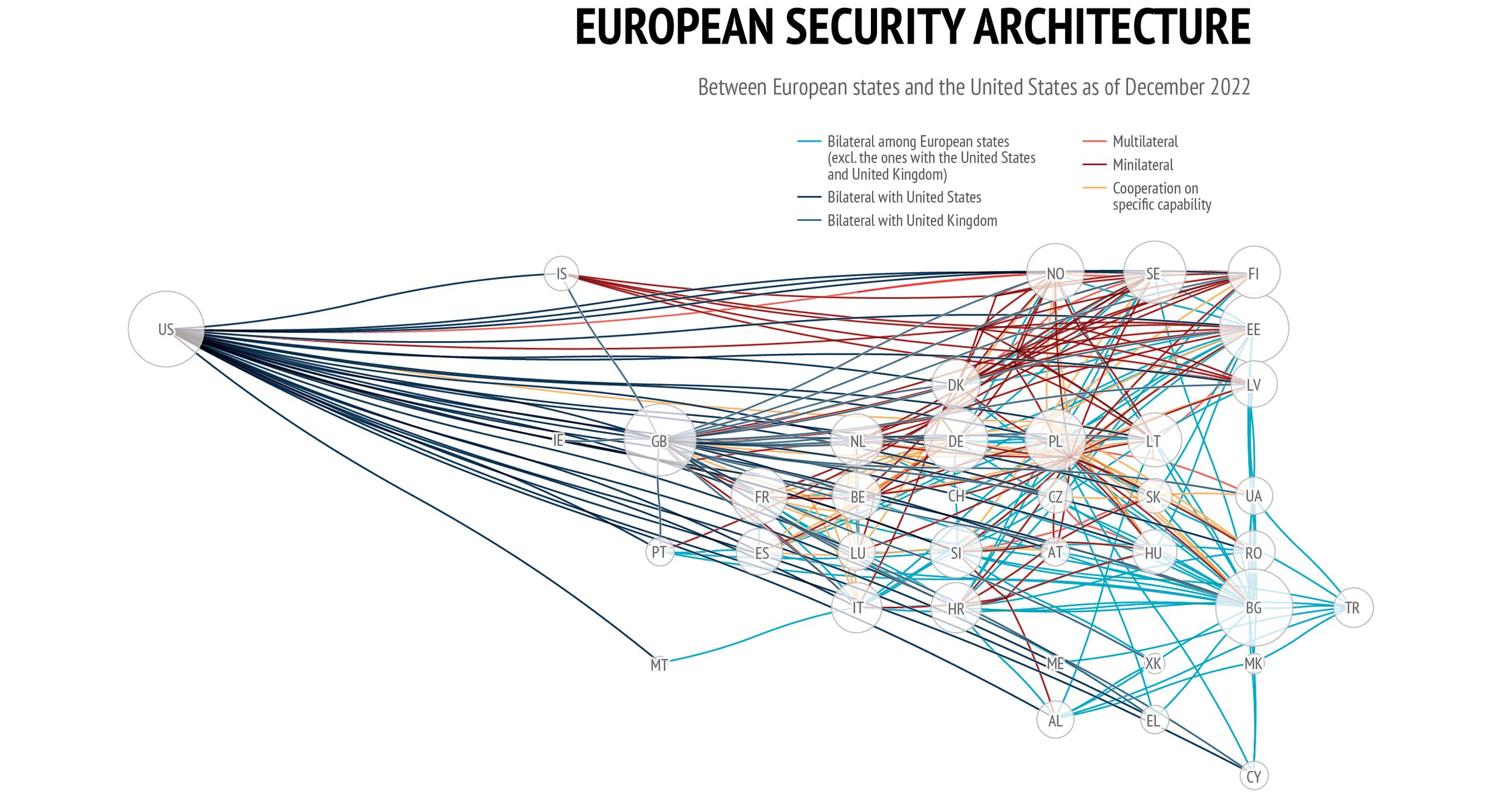
Figure 2: European Security Architecture map
The defence industrial complex at large is, however, a highly complex and multifaceted but comprehensive sector that sits above nearly all of the steps of production, from the development of new technologies to design and mass production; in short, in defense production, there is a relatively holistic view and capacity (See Figure 2). The aforementioned core major European defense conglomerates are also garlanded by a network of small and medium enterprises - with about 3,000 in total in the European Union (Mordor Intelligence, 2025). It is a sector which accounts for more than 290 billion euro in revenue (counting both the defence and aerospace sector). This industry, moreover, is not only deeply interconnected, with companies directly related to each other; it’s also an industry deeply interconnected vertically through its production chains – e.g., micro-engineering companies, heavy industries for metal production, naval shipyards, universities and startups, digital and tech companies. The length of the value chain becomes longer still when considering defence on the level of systemic stability across the union, instead of purely as an industrial sector.
This value chain opened the possibility of developing and using ‘dual use practices’ - a technology, or a generic object that can sustain both military and civilian use. The concept of dual use originated in the context of initial applications of direct and state-funded research in the early days of entities like the DARPA and the Bell Laboratories in the ‘50s, in the United States. Technologies such as GPS, the laser, even the touch-based architecture for smartphones, are examples of dual use technologies. Moreover, infrastructure has widespread civilian and military dual applications: ports and railroads can support the passage of both military vessels and transport vehicles, as much as civilian ones (Mazzucato, 2020).
The term “dual use” has recently begun to appear in frequent discourse among European policymakers. The Connecting European Facility (CEF), for example, references the possibility of developing and funding specific infrastructure for both military and civil purposes in the Multiannual Financial Framework (MFF) 2021-2027. The initial applications of CEF opened the way for these kind of implemented projects. Instead, dual use technologies, which are indeed a pivotal topic for the possible allocation of further resources in Europe, is in this context a novelty. Since 2021, the European Union started discussions on how to implement the objective of a better and more proficient CSDP and more coordinated defence expenditures; this approach influenced financing lines, which are included in the wider ReArm Europe Plan .
The ReArm Europe Plan represents the financial component of the European Union’s broader strategy to address upcoming geopolitical challenges. As part of the Readiness 2030 initiative, it introduces key new financing mechanisms for EU defence - drawing from both public and private sources. ReArm aims to generate around 800 billion euros in credit lines, split into two main components: First, 150 billion euros will be financed through new SAFE loans, provided by the EU specifically to strengthen military procurement of goods, services, equipment, and vehicles (Clapp et. Al., 2025).
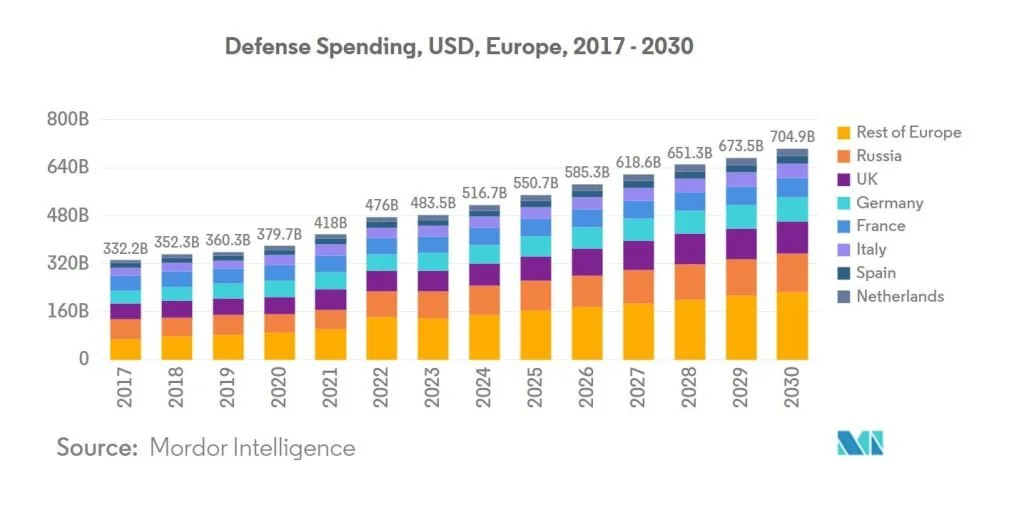
Figure 3: European Defence Spending Past and Projected
A notable feature of the SAFE loans - somewhat aligned with policies initiated under PESCO - is the strict requirement that funds be spent exclusively with contractors or companies located in Europe (including EFTA countries and Ukraine). This approach reflects growing legislative concern over strategic dependencies beyond the EU: Currently, EU armies rely heavily on NATO and US-led military frameworks - not only for equipment like the F-35 fighter jet, but also for strategic planning and command structures. This dependence has become more apparent recently, particularly with the variability introduced in the second Trump Administration, highlighting limits to European autonomy in military affairs.
Efforts to coordinate procurement through European programmes signal a meaningful shift in approach, yet they continue to face several structural obstacles. First, these measures remain limited to the resources available through SAFE and exclude the bulk of defence spending allocated directly by individual member states. Second, encouraging greater reliance on European-made procurement requires a coherent and shared strategic vision of what the EU’s defence sector is expected to deliver; without such clarity, procurement coordination risks reinforcing fragmentation rather than reducing it. This issue will be examined in greater detail later in the paper.
The remaining ReArm resources are expected to be mobilised through a voluntary escape clause in the Stability and Growth Pact, agreed upon by EU member states. This clause allows governments to exceed established debt-to-GDP thresholds when borrowing for defence-related expenditures, including operations, infrastructure, and equipment. Initial estimates suggested that approximately 650 billion euros could be mobilised through this mechanism. However, since only sixteen countries - though including Germany - have formally indicated their intention to activate the clause, it is as yet uncertain that the package will reach this scale in practice (see Figure 4).
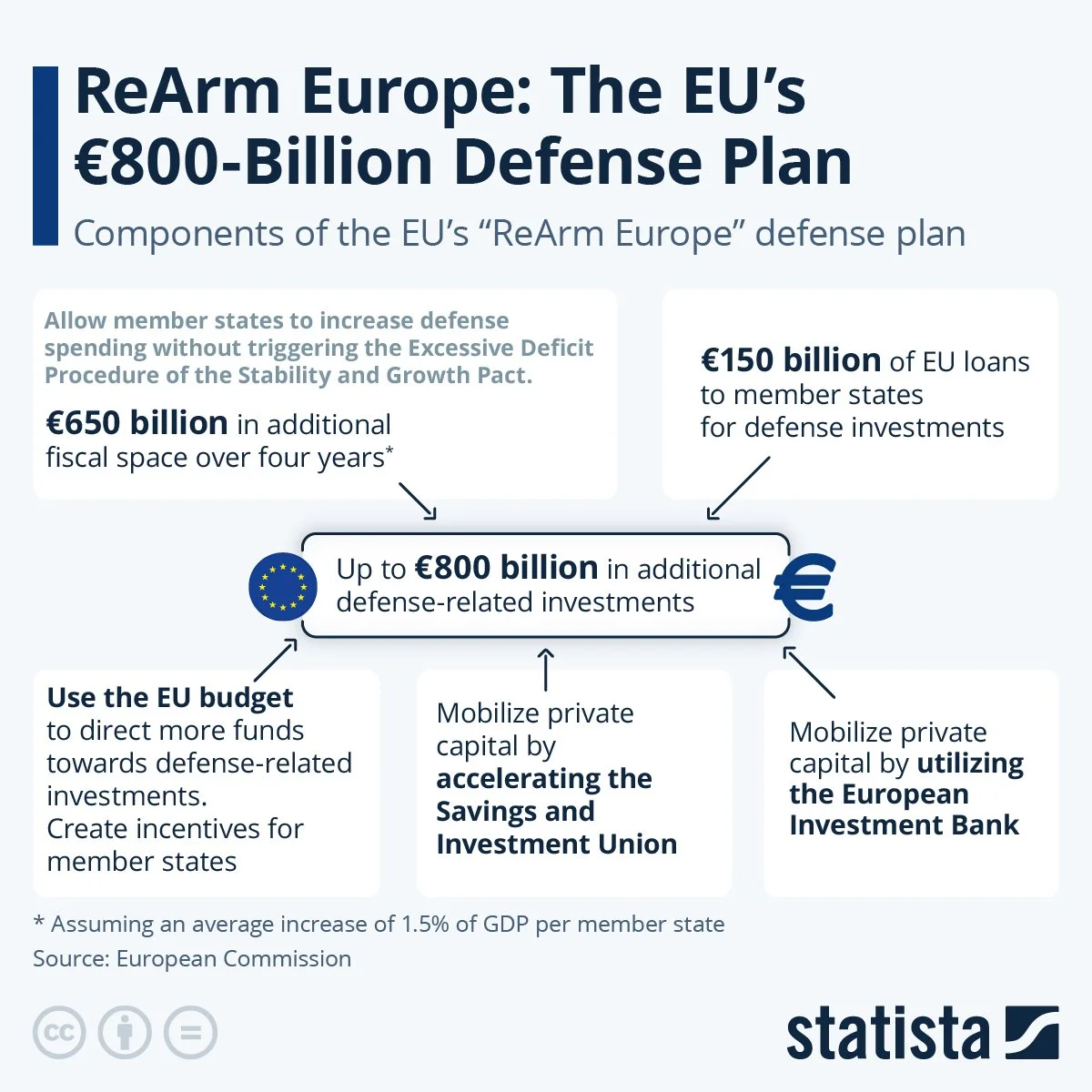
Figure 4: ReArm Europe Plan
ReArm is therefore not limited to direct financing instruments; it also reflects the EU’s intention to reconfigure existing funding frameworks in order to channel significantly greater resources toward the defence industrial base. As part of this shift, the EU has signalled its intention to reallocate resources from existing Cohesion Policy instruments - particularly the European Regional Development Fund (ERDF) and the European Social Fund Plus (ESF+) - by introducing new specific objectives within the ERDF (SO1.7 and 3.3) and expanded priorities focused on the re-skilling of the industrial workforce under the ESF+. These adjustments allow EU regions, as recipients of funds within the MFF 2021–2027, to redirect resources from previously designated uses toward defence-relevant industrial and mobility priorities.
These changes in the Cohesion Policy reflect a sense of urgency borne of new geopolitical challenges and by the perceived inadequacy of the current defence architecture in Europe. Investments channeled through SAFE, the Escape Clause, the Mobility Fund, the Cohesion Funds, and the reinforcement of existingChapter 5 instruments (such as ASAP, EDIRPA, EDIP), represent a series of incremental steps envisioned under ReArm for the future of Europe’s military-industrial base. Taken together, these resources remain - according to the literature available at the time of writing, which continues to evolve - insufficient to enable the sector to reach the level of capability and resilience required.
The ReArm approach should also be read not on its own, nor only under the scrutiny of the new Readiness package. Indeed, it is rooted within the inputs laid down by the Draghi and Niinistö reports, as much as in the Strategic Compass. Dual use technologies are also increasingly central in the Defence Omnibus published in June 2025 (European Commission, 2025), and in Readiness 2030 – which sets out the defence priorities through the end of the current MFF and the start of the next. Dual use, and the mixture of civilian and military uses, lay the groundwork for a new use of the funds currently allocated by the EU in contexts where the military option was not included initially. While defence, in terms also of resources, remains a prerogative of nation states, there are new possible ways the EU is moving forward.
The largest segments of European budgets – such as the Cohesion Funds or the Horizon Funds – did not previously allow for dual use or pure defence eligibility for grant funding. However, the situation is now changing: The 2025 Cohesion Fund mid-term review opened the possibility of use of the remaining budget and unallocated resources to support either infrastructures or industries with defence purposes. There are of course still doubts regarding how extensive the use of Cohesion Funds for such purposes will be. Despite projects now being eligible for funding until the end of 2030, thereby leaving a five-year timeframe for decision-making and project implementation, this remains dependent on the political decisions of local policymakers. We will address later the scale of resources currently being mobilised by European institutions to support defence-related objectives, but it is important to highlight this reallocation of resources, these changes in funding priorities, and the growing attention directed toward the European Defence Industry and Technology Base (EDITB). But the high-level picture is clear: The invasion of Ukraine, alongside crises in the Pacific and the Mediterranean, developments in South America and Africa - and especially the unprecedented uncertainty of US foreign policy in the second Trump administration and resulting geopolitical developments from Venezuela to Greenland - have all impacted more deeply than anticipated how European institutions understand their role and, to some extent, their own strategic orientation.
The lack of certainty in the emerging world order is driving a significant shift in how the European Union – and its member states – conceive of what must be done in the short term to achieve the security that the citizens of Europe are increasingly demanding of their political representatives. The reorientation of spending priorities within the Cohesion Fund is symbolic in this regard, and marks a fundamental change in both how financial resources are used and in the scale of their deployment for defence purposes.
Speaking in absolute numbers, the cited changes in the ESF+ and the ERDF can help mobilise for the defence industry and military mobility the resources that remain not deployed within the funds. According to the EU Cohesion Fund portal, there is still approximately 40% of both funds that remains not allocated nor committed to expenditure. Certain priorities - such as the re-skilling of workers to better meet the emerging challenges the industry will have to face - can also generate positive spillover effects across several other industrial sectors which, in Europe, have been lagging behind their international competitors, including the automotive sector. We do not address in this paper the reasons for such underperformance, as other sources have been extensively descriptive of it (see Fiott, 2024; Hoeffler et al., 2024; Bulfone et al., 2024; Hahn, 2024). It is relevant to note that, drawing on the experience of dual-use technologies and industrial capabilities in the United States, there is scope to design support for the EDITB in ways that also facilitate the transition of European industry from a situation of structural crisis toward a more stable outlook. The impact of such a transformation cannot be reliably assessed at this stage without more precise data, but the American example of leveraging military technologies to open new civilian industrial pathways is an interesting case that has received attention in the past and may serve as a benchmark in the current European context.
The current quantity of resources available can therefore support a gradual transition toward the increased scale of the next MFF, which is expected - according to current discussions - to reach approximately 131 billion euros under a dedicated Chapter 2 focused on defence.
These resources will significantly exceed the amounts allocated to the European Defence Fund (EDF) under the 2021-2027 budget and overseen by the European Defence Agency (EDA). In the current MFF, allocations amounted to approximately 7 billion euros for the EDF, which was subsequently reinforced through several post-2022 instruments, such as EDIRPA and ASAP, bringing the overall Chapter 5 allocation to 16.3 billion euros, up from the initial 13.5 billion, which had also encompassed the security chapter. The revision of the Cohesion Funds can potentially mobilise up to approximately 100 billion euros to be devoted to these new objectives.
Another source of support comes from the Recovery and Resilience Fund (RRF). A Commission communication from June 2025 outlined the possibility for unallocated resources to be redirected in support of the EDITB, thereby creating a potential additional source of funding for the defence industry. Here again, the order of magnitude of resources that could be drawn upon is around 100 billion euros. This does not imply that the EDITB will receive a combined 200 billion euros from the two funds. Regions and member states retain discretion to support investments in this field, particularly within the framework of Readiness 2030.
Heading to Readiness 2030
Two next steps stand out in the EU’s effort to keep pace with its geopolitical rivals: Readiness 2030 and the next MFF covering 2028–2034, both referenced above. These two policy frameworks are closely linked, jointly shaping the future of the European defence industry and the operational readiness of European armed forces.
Readiness 2030 is a substantive document. It lays the groundwork not only for the future development of the EDITB, but also for more integrated and interconnected EU military mobility, as evidenced by recent legislative drafts in this area. Through Readiness 2030, the EU appears to be explicitly addressing past weaknesses in military and industrial cooperation, while setting out a more coherent strategic direction. At the same time, the priorities identified in Readiness 2030 are ambitious and highlight significant challenges ahead, raising questions about whether the volume of resources currently available or envisaged will be sufficient to meet them.
There are also four flagship programs the documents delimitate: The European Drone Defence Initiative, the Eastern Flank Watch, the European Air Shield and the European Space Shield. Beyond these four flagship programs, Readiness 2030 also states some key priorities for the public legislators: European defence needs to focus on filling operability and capability gap (specifically on key areas of production and expertise such as artillery, drones and counter-drones techs, cyber, and missiles). Without going into the details of each program,, what is of interest is the general milestone set to reach the deadline of 2030 with an improved and readier European defence apparatus:
“1. Set up Capability Coalitions in all priority areas, decide on lead and co-lead nations, and on respective implementation plans until 2030 – by Q1 2026
2. Collect initial data on EU’s defence industrial capacity in the priority capability areas, supported by the Commission as appropriate – by mid-2026
3. Launch projects in all priority areas within the first half of 2026
4. Organise at least 40% of defence procurement as joint procurement – by end 2027
5. Ensure that projects, contracts and financing are in place to close critical capability shortfalls in the prioritised areas – by end 2028
6. Receive all SAFE-funded procurements, contributing to close all capability shortfalls in the prioritised areas – by end 2030” (European Commission, 2025)
The milestones set by the EU Commission outline an approach that focuses on the creation of a shared trajectory across the Member States of the Union. Initially, they establish a set of baseline elements to be introduced by 2026, intended to pave the way to 2030. The subsequent milestones function as step-by-step guidance, through which the various stages and benchmarks in the roadmap allow the common defence agenda to take clearer shape in line with the future objectives of the next Multiannual Financial Framework (MFF) for 2028-2034. Notably, the roadmap to 2030 also incorporates financing elements, which were discussed earlier as part of the wider outlook on European defence outlook. The ReArm financing mechanisms, including the SAFE loans, are an essential component of this roadmap. However, they function primarily as temporary financing tools, rather than as a comprehensive long-term strategy for funding the European military-industrial complex.
Indeed, the EU has only limited, largely supervisory powers over defence policy, as noted earlier. It can engage in this field primarily through the lenses of competitiveness, cooperation policy, and defence architecture at a high level of coordination. This approach is anchored in the current EU treaties, which are examined in greater detail in the specialised literature. Readiness 2030 therefore adopts a model centred on high-level performance indicators, mapping out a common direction while deliberately avoiding direct intervention in how individual EU countries allocate their national defence budgets. This helps explain why, to date, EU institutions have exercised very limited influence over strategic capability decisions, such as the development of a next-generation sixth-generation fighter aircraft. The divergent national debates that have produced competing projects could represent an area where enhanced cooperation might be pursued. Nevertheless, the EU has so far refrained from intervening directly in such domains, at least in public terms. At the same time, it has progressively expanded its role in cooperative areas, gradually doing so through additional funding instruments and by shaping the parameters for joint investment in R&D, dual-use technologies, and procurement. The new roadmap clearly moves in this direction.
It is uncertain whether the new budget for 2028–2034 will follow the same approach or instead will be built (at political level) on the experience developed under the current MFF, and through the extra programs introduced after the invasion of Ukraine. It has been stated that the EU will allocate approximately 131bn EUR under a dedicated Chapter 2 of the next MFF, earmarked for defence projects. This Chapter 2 will also encompass the wider envelope – circa 400bn EUR – for competitiveness and industrial development. This represents a major shift in fund allocations by the EU, in terms of both scale and scope of defence-related funding. It signals that the military-industrial complex is, in the view of European legislators, a key component of the EU’s general competitiveness framework. As such, it is likely to attract greater resources – and political attention – and, moreover, will also require the update of existing instruments , such as the European Defence Fund. This shift will necessitate increased transparency, given the scale of the allocations involved, as well as strategic planning to ensure that such resources are deployed effectively.
As the most recent addition to the complex web of legislative acts adopted in recent years, the EDIP legislation was approved in November 2025 (European Union, 2025), allocating 1.2 billion euros to improve the readiness of Europe’s industrial base. This legislation represents another incremental step in the Commission’s long-standing efforts to strengthen cooperation across Member States and their industrial ecosystems. The EDIP framework also places particular emphasis on small and medium-sized enterprises, including networks of innovative start-ups linked to broader defence development. This approach carries both strengths and weaknesses, which merit further analysis. In summary, an exclusive focus on SMEs risks diverting attention from large-scale industrial actors that are critical for scaling up defence production across Europe. At the same time, it may offer European defence a more flexible approach and help address specific capability gaps, such as cyber and space domains, that have lagged in recent years relative to Russian, Chinese, and American competitors. Only a targeted evaluation of recent legislative and investment developments can ultimately resolve these uncertainties.
The missing analyses
In this Commentary, we have provided a descriptive analysis of the current state of European defence architecture. We have outlined the key policy elements at the European level, focusing on security and defence structures and their institutional configuration. We also examined the principal components of the European Defence Industrial and Technology Base (EDITB), and the ways in which this landscape is evolving in response to geopolitical developments shaping the Mediterranean, the Eastern Flank, and Africa. Taken together, these dynamics have implications that extend beyond external security, touching on institutional resilience, public trust, and the capacity of European democracies to adapt to sustained geopolitical pressure.
It is a field that is currently evolving, even at the moment of writing. The European member states have published their final decisions on the expenditure of SAFE loans in December 2025, together with the final revisions of the Defence Omnibus and the new legislation on military mobility. Sixteen member states (Cyprus, Portugal, Romania, Spain, Denmark, Belgium, Bulgaria, Italy, Estonia, Greece, Latvia, Lithuania, Poland, Slovakia and Finland) have collectively championed two proposals to the Commission for financial assistance which will be followed by Council implementation of the decision in Q1 of 2026. These changes are unfolding rapidly, and while it is both necessary and useful for the Union to have an updated defence agenda, this pace of movement can represent a burden in terms of transparency, strategic coherence, and overall capability to internalize lessons from previous programmes and experiences.
A first key element to consider is the extent to which the ongoing transformation of the defence field is driven by political emergency conditions. While, as the COVID-19 crisis demonstrated in 2020–2021, emergencies can serve as powerful catalysts for change, there remains a need for deeper structural rationales to sustain long-term transformation in security architectures. This raises a central question: is Europe’s defence transformation capable of enduring beyond the current emergency, for instance in the scenario of a peace settlement in Ukraine?
The challenges of European defence are rooted deeply in intergovernmental systems. Such problems arise from the presence of 27 Ministries of Defence, Ministries of Foreign Affairs, distinct diplomatic services and priorities, and often diverging interests. Since defence priorities are an extension of national interests, this diversity creates difficulties in defining clear common objectives. The lack of common objectives, in turn, hinders the capacity to establish a coherent common defence architecture. Without a clear objective, the paths forward are uncertain.
The lack of a common objective is a challenge that can be overcome only by political means. It therefore requires a political decision taken through the joint efforts of both Member States and European Union institutions, anchored in democratic processes and public accountability. From a more technical point of view, what can currently be pursued for European defence includes new inputs focused on (i) enhancing coordination across militaries and (ii) incentivising common production and procurement practices, which may also contribute to institutional predictability, stability and policy continuity. Similar approaches have been advanced through initiatives such as the PESCO projects, as well as through recent instruments including EDIP, EDIRPA, and ASAP.
The impact of a more integrated approach to public procurement, particularly in the defence sector, has been widely debated by governments, independent bodies, and the broader academic community. For some, public procurement has the potential to significantly enhance the capabilities of European armed forces, enabling a more efficient approach to design, mass production, and interoperability—a central concept in recent EU policy documents. Scepticism, however, arises from divergent political interpretations of the role and purpose of military power in the current EU context, as well as from concerns about legitimacy, oversight, and public consent, a tension that is also reflected in recent EU legislation on defence-related issues, including military mobility.
The potential economies of scale via common procurement supports the case for a pan-European approach. What remains limited, however, is evidence regarding the real impact of a common European defence industry on the entire value chain - which includes both defence and non-defence industries. Heavy industry in Europe has encountered a period of stagnation, driven by regulatory constraints and shifts in global trade dynamics that have reduced its influence. The European defence industry could become a hub of innovation and skills, with potential spillover effects for the civilian economy, while the emergence of defence-linked start-ups with civilian dual-use applications may also indicate positive investment externalities for these sectors.
While, on the one hand, European defence requires more rigorous empirical analysis - including impact evaluations, causality analysis to assess specific legal interventions, and expanded data collection - there is, on the other hand, a second dimension that warrants attention: The political and communicative conditions under which these defence transformations are perceived, contested, and legitimised.
Strategic communication, public opinion and the legitimation of EU defense
The institutional and operational characteristics outlined above have direct consequences for how European defence is communicated and legitimized in the public sphere. Defence, as a policy domain, remains a particularly sensitive area of debate for both European citizens and political actors, with sharp disagreements (see Figure 5), and the divisions that have emerged across the European Union in response to Russia’s invasion of Ukraine revealed serious disagreements over the appropriate political, economic, and military course of action. At the same time, the defence industry has come under intensified public scrutiny, particularly in connection with the escalating conflict in the Middle East. Investments in defence are structurally contentious, especially when budgetary constraints render resource reallocation, such as shifting funds from cohesion policies to the defence industrial base, highly visible and politically costly. This sensitivity reflects what De Wilde and Zürn (2012) describe as the end of the “permissive consensus” in European integration, understood as a form of delegated consent granted by citizens to political elites without direct involvement or sustained public support. In this context, defence and security policies can no longer rely on tacit approval or technocratic legitimacy; they require active public legitimation. Put differently, democratic participation and public contestation have become necessary conditions for advancing common defence initiatives. As a result, analysing public opinion becomes essential for identifying the sources of support for, and resistance to, increased defence spending, recent discussions on moving towards a common defence policy, ongoing debates on the future of EU intelligence cooperation, and the broader question of how to adjust the Multiannual Financial Framework for the period after 2027 in light of current developments (Pane & Iannace, 2025).
The debate here on EU intelligence builds on structures that already exist within the European External Action Service, notably the EU Intelligence and Situation Centre (INTCEN), which operates under the authority of the High Representative for Foreign Affairs. Current discussions concern the possible creation of a new coordination cell within the Commission’s Secretariat-General, intended to strengthen analytical and security functions and to work closely with EEAS structures. This prospective development would involve greater participation by officials seconded from national intelligence services and would modestly expand the Union’s capacity for internal intelligence coordination, although several member states are expected to approach such changes with caution (EU News, 2025).
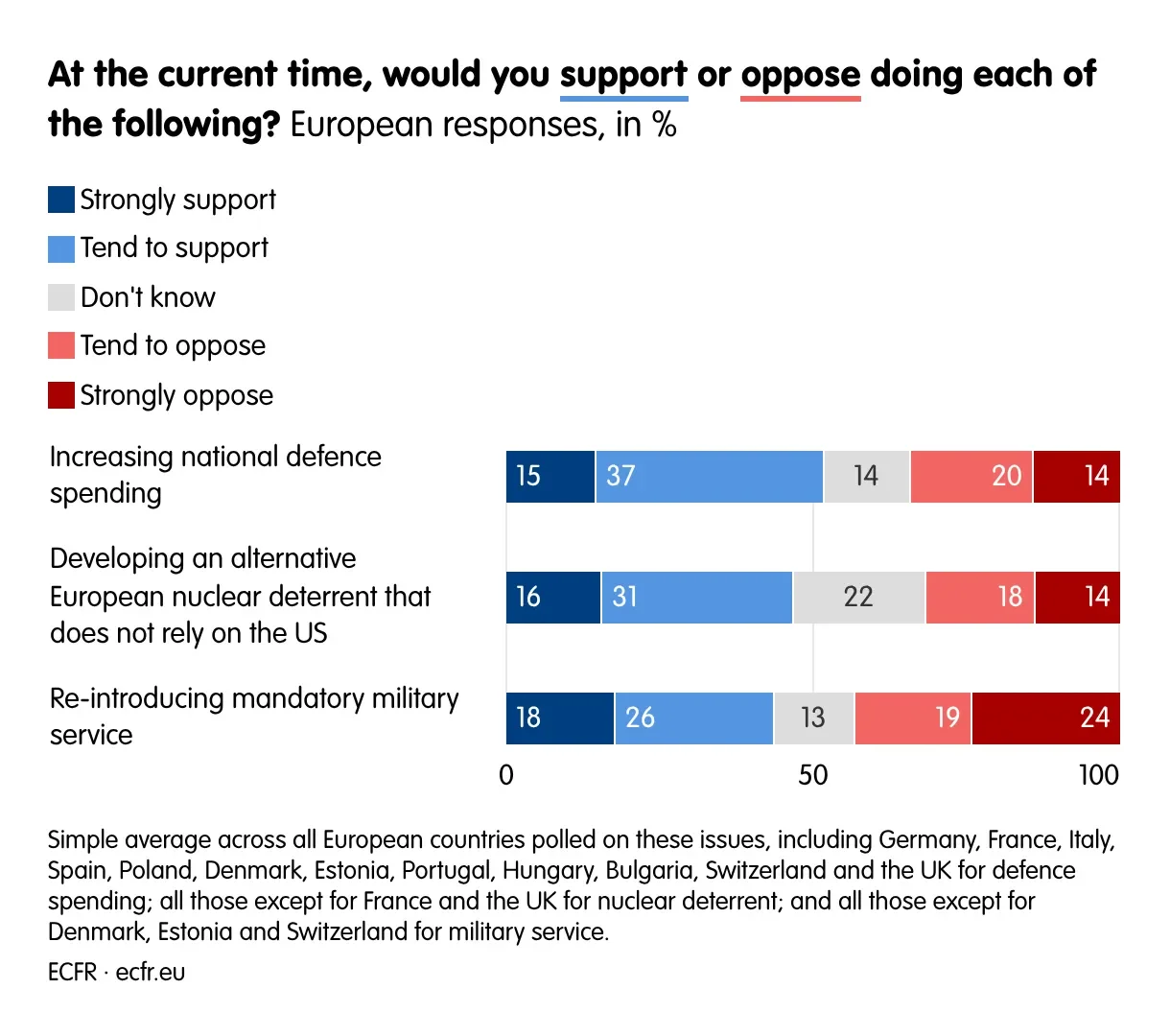
Figure 5: European Public Attitudes on Defence Topics
It is no coincidence that at the core of EU communications - centred in the Directorates-General for Communication of both the Commission and the European Parliament, and echoed within the ministries of the 27 member states as well as in NATO circles - the question of how to communicate security and defence issues, together with citizens’ perceptions of them, is already a focal point in the policymaking process, though this is not always visible from the outside (which is itself a serious problem). Recent social media communication reflects this shift: For example, Instagram carousels produced by the European Parliament to explain the EDIP feature military equipment accompanied by the slogan “buy European”, adopting a lexicon that draws explicitly on the language of war and thereby producing a striking tension with the Union’s founding narrative as a peace project. Strategically, however, these narratives remain framed around defence rather than offence. What emerges is a form of strategic crisis communication that employs registers and visual repertoires unprecedented in the EU’s institutional communicative practice to date.
In this framework, the need for deeper public-opinion analysis and democratic participation on the topic is reinforced by the crisis-driven nature of recent defence cooperation. As scholars of EU security governance have argued (Fiott, 2023), defence integration increasingly advances through reaction to geopolitical shocks and threat perceptions. In this context, citizens’ support for defence initiatives is closely linked to how they interpret external risks - from Russia’s aggression, to current US unpredictability, to instability in the European neighbourhood and hybrid attacks on infrastructure. Communicating these risks is therefore a delicate governance task: It must raise awareness and legitimise preparedness measures without inadvertently generating fear, fatigue or political backlash.
Moreover, public attitudes toward defence spending are shaped by widespread perceptions of a security–welfare trade-off (DiGiuseppe et al., 2024). In the current context of constrained public budgets, citizens evaluate defence investments through the lens of opportunity costs - what is potentially lost by prioritizing defence over social, educational or cohesion objectives. This perceived distributive tension can intensify resistance to defence initiatives unless institutional communication clearly explains budgetary priorities and the long-term rationale behind investment decisions.
These economic and political considerations intersect with a deeper layer of values and identities: For example, recent studies on political behaviour and European identity show that support for EU defence is structured not only by threat perception but also by value orientations and ideological leanings (Nicoli et al., 2025). Cosmopolitan or pro-integration publics tend to view EU defence cooperation as a collective security tool consistent with multilateral norms. By contrast, sovereignty-oriented or nationalist-leaning publics remain sceptical, supporting defence reform only when it is framed as strengthening national protection. These competing “security imaginaries” complicate the task of EU institutions, which must navigate heterogeneous interpretive communities across the Union.
Against this backdrop, the central role of public communication in shaping perceptions becomes evident. European public communication - understood as the policy language and communicative practices through which Europe’s democratic institutions address citizens - plays a decisive role in structuring how defence initiatives are framed, perceived and contested. Yet discussions on enhancing EU defence capacities do not unfold in a neutral communicative environment; they take place within a fragmented information ecosystem marked by declining institutional trust, heightened polarisation and increasing exposure to hybrid threats. Recent analyses from the NATO Strategic Communications Centre of Excellence highlights that defence and security constitute some of the most targeted domains of foreign disinformation, where AI-generated content accelerates narrative manipulation and public confusion - a topic also analyzed by GIE Foundation last year in ‘AI on the Frontlines’. These conditions dramatically increase the urgency of strengthening communicative resilience at the European level.
A recent episode illustrates the complexity of this communicative landscape: In March 2025, an EU-wide public campaign circulated an “emergency kit” intended to help citizens prepare for the first seventy-two hours of a hypothetical conflict. By adopting the aesthetics and narrative formats typical of social media trends, the campaign aimed to familiarize citizens with potential risks and promote preparedness. However, it sparked significant controversy and reopened debates about the appropriateness, ethics and strategic purpose of communicating security issues to the public. The campaign coincided with the launch of the Commission’s new preparedness strategy, presenting thirty concrete actions designed to strengthen resilience against future crises - from natural disasters and industrial accidents to cyberattacks and military threats. As Commissioner Roxana Mînzatu stressed, the COVID-19 pandemic demonstrated the need for a more anticipatory, coordinated and communicatively robust approach to crisis management.
In a similar vein, the debate surrounding the naming of the ReArm Europe Plan - subsequently rebranded as Readiness 2030 - illustrates how national sensitivities shape the framing of EU defence policies. Following criticism from several member states, including Italy and Spain, Brussels opted for a less contentious label. As Paula Pinho, the Commission’s Chief Spokesperson, explained, the change responded to concerns raised by national governments regarding the connotations of the original name (Liboreiro, 2025). In this regard, she argued that:
“We are sensitive to the fact that the name as such may trigger some sensitivity in some member states so this is something that, of course, we listen to”.
“If this makes it more difficult to convey the message to all citizens in the EU of the need to take these measures, then we are all ready not only to listen but also to reflect it in the way we communicate about it”.
These episodes reinforce the core argument of our research: Public communication is not an ancillary activity within the policy-making cycle, but a constitutive dimension of contemporary governance, including - and perhaps especially - in domains as sensitive as defence and security. Recent OECD (Organisation for Economic Co-operation and Development) reporting on the public sector further supports this view, underscoring that communication should be understood as a strategic governance function, one capable of strengthening transparency, fostering trust, and enhancing societal preparedness in the post-pandemic context (Alfonsi et al., 2020). A comparable evolution is visible in security and defence communication more broadly, where NATO’s Strategic Communications Centre of Excellence examines the strategies of malicious actors and the implications of emerging technologies for information manipulation, providing institutional actors with an operational knowledge base to strengthen resilience.
Overall, these developments outline a clear research imperative: To understand how institutional communication - interacting with political polarization, crisis-driven dynamics, identity-based divides and an increasingly hybrid information environment - shapes public perceptions of EU defence, influences support or opposition to policy initiatives and contributes to, or undermines, democratic resilience. This constitutes the analytical foundation of our study and situates it within a rapidly evolving and highly contested European policy landscape. In an era in which conflict increasingly unfolds within the cognitive domain - through hybrid operations, disinformation and AI-mediated manipulation - public opinion itself becomes a strategic arena in which security outcomes are shaped and contested. This further underscores the need for systematic reflection on how defence issues are communicated to citizens and how communicative practices can support democratic resilience in the face of contemporary security challenges.
Policy Implications
The complexity of contemporary challenges requires a degree of attention to the issue of EU defence which, until now, has been largely missing. While the topic is gaining momentum among policymakers and the wider public, there is still resistance to speaking of defence as something belonging to the European sphere of competence. The challenges confronting the EU heads of state - such as Greenland, the Middle East, and Ukraine - require an enormous amount of resources. Policy choices such as SAFE, as well as the new funds allocated under the defence dimension in the MFF 2028–2034, are steps in the direction of placing more resources where they are needed.
The allocation of resources is a key part of the broader discussion. As in any economic action, the positive and negative impacts that such measures can have on the wider economy can become fundamental elements either sustaining or opposing their implementation. There is still limited evidence supporting either view, and future research should focus on assessing whether the impact of these funding allocations toward the defence sector will be positive or negative for the broader economic outlook.
At the same time, defence is not a topic merely for policymakers, but one of profound concern for civilian populations. Beyond suffering the natural consequences of any defence-related choice - such as the decision to support or not support Ukraine in its defensive conflict against Russia - the EU population holds diverse and differentiated views on the allocation of resources at both EU and national level. Future research should therefore help clarify the extent to which citizens support or oppose further EU involvement in the defence field, and how they perceive the prospect of European countries re-engaging in rearmament in light of the future challenges outlined above.
The preceding analysis suggests that the future of European defence cooperation will depend not only on institutional reforms or financial instruments, but equally on the political and communicative conditions under which these initiatives are understood and legitimised by European citizens. If defence integration continues to advance primarily through “crisis-driven” policy innovation - such as SAFE loans, the ReArm/Readiness 2030 framework, and the progressive expansion of the European Defence Industrial and Technology Base - then the ability of institutions to communicate these developments clearly and coherently will become a strategic governance function (and a core, urgent one).
Several policy implications follow from this observation.
First, European defence initiatives require greater strategic coherence in institutional communication.
The rapid expansion of defence-related programmes and financing mechanisms has created a complex policy landscape that is difficult for citizens to interpret. Without clearer explanations of objectives, timelines, and expected outcomes, this complexity risks reinforcing perceptions of technocratic decision-making detached from democratic accountability. EU institutions should therefore invest in clearer narrative frameworks that explain not only what policies are being implemented, but why they are necessary in the evolving geopolitical context.
Second, policymakers should integrate systematic public-opinion analysis into the design of defence policy initiatives.
Defence spending and industrial investment are politically sensitive issues, particularly when they interact with perceptions of trade-offs with welfare, education, or regional development. Regular and transparent monitoring of public attitudes toward defence cooperation, security threats, and resource allocation would allow institutions to anticipate political resistance and design communication strategies that address citizens’ concerns directly.
Third, the EU and its Member States should strengthen institutional capacity for strategic communication on security issues.
The fragmented information environment in which defence debates now unfold (characterized by disinformation, hybrid influence operations, and increasing use of AI-generated content), means that defence policy is no longer discussed in a neutral communicative arena. Strengthening analytical and communicative capacities, including cooperation with initiatives such as NATO’s Strategic Communications Centre of Excellence, will be essential for ensuring that public debate remains grounded in reliable information.
Fourth, defence communication should emphasise preparedness and resilience rather than militarization.
As recent controversies surrounding public preparedness campaigns and the naming of defence initiatives demonstrate, the framing of policy language can significantly shape public perceptions. Narratives centred on resilience, collective security, strategic urgency and democratic stability/protection are clearly more likely to resonate with European publics than those framed primarily in terms of rearmament or military expansion; this should be integrated at policy-level into European defense ecosystem institutions.
Fifth, European institutions should treat communication as an integral component of the policy process itself with first-order importance in policy and operations, not as a downstream activity occurring after policy decisions are made.
In an era where geopolitical competition increasingly unfolds in the cognitive and informational domains, public opinion becomes a strategic arena in which security outcomes are shaped. What this means, in practice, is that the communication is itself an outcome, in the sense that building durable political support for European defence therefore requires sustained efforts to engage citizens by explaining strategic choices, and generate democratic debate about Europe’s security future.
Figures
Figure 1: Mission Map, European External Action Service (2025). Available here.
Figure 2: Web Map of European Defence Links, ISS Europa (2022). Available here.
Figure 3: European Defence Spending 2017-2030, Mordor Intelligence (2025). Available here.
Figure 4: The EU’s 800-bn Euro Defense Plan, Statista (2025). Available here.
Figure 5: European Public Attitudes on Defence Topics, ECFR (2025). Available here.
References
Alfonsi, C., Varazzani, C., Tan, E. H. Y., & Sullivan-Paul, M. (2022). Public communication trends after COVID-19: Innovative practices across the OECD and in four Southeast Asian countries. OECD Working Papers on Public Governance, (55), 1-71.
Bergmanis-Korāts, G., Haiduchyk, T., & Shevtsov, A. (2024). AI in precision persuasion: Unveiling tactics and risks on social media. NATO Strategic Communications Centre of Excellence.
Bulfone, F., Timur, E., and Erez, M. (2024). The political economy of conditionality and the new industrial policy. MPifG Discussion Paper, N. 24/6. DOI: https://hdl.handle.net/10419/305292.
Clapp, S., Höflmayer, M., Lazarou, E. and Pari, M. (2025). ReArm Europe Plan / Readiness 2030. ERPS – European Parliamentary Research Service. Available at: https://www.europarl.europa.eu/RegData/etudes/BRIE/2025/769566/EPRS_BRI(2025)769566_EN.pdf.
De La Feld, S. (2025, November 11). Von der Leyen wants to snatch European intelligence from Kallas. EUNEWS. https://www.eunews.it/en/2025/11/11/von-der-leyen-wants-to-snatch-european-intelligence-from-kallas/
De Wilde, P., & Zürn, M. (2012). Can the politicization of European integration be reversed?. JCMS: Journal of Common Market Studies, 50, 137-153.
DiGiuseppe, M., Aspide, A., & Becker, J. (2024). Threats and the public constraint on military spending. British Journal of Political Science, 54(3), 649–666.
Duke, S. (2011). The EU, NATO and the Treaty of Lisbon: Still Divided Within a Common City. In Cardwell, P.J. (Eds.) (2012). EU External Relations Law and Policy in the Post-Lisbon Era. Springer Nature.
European Commission (2025). Preserving Peace – Defence Readiness Roadmap 2030. Available here: https://defence-industry-space.ec.europa.eu/document/download/9db42c04-15c2-42e1-8364-60afb0073e68_en?filename=Joint-Communication%20_Defence-Readiness-Roadmap-2030.pdf.
European Commission (2025). Defence Readiness Omnibus. Available here: https://eur-lex.europa.eu/legal-content/EN/TXT/?uri=CELEX%3A52025DC0820
European Court of Auditors (ECA) (2019). European Defence. Review No. 09. Available here: Review No 09/2019: European defence | European Court of Auditors.
European Union (2025). Regulation of the European Parliament and of the Council establishing the European Defence Industry Programme and a framework of measures to ensure the timely availability of defence products (‘EDIP Regulation’). Available here: https://data.consilium.europa.eu/doc/document/PE-52-2025-INIT/en/pdf.
Fiott, D. (2023). In every crisis an opportunity? European Union integration in defence and the War on Ukraine. Journal of European integration, 45(3), 447-462.
Fiott, D. (2024). From Liberalisation to Industrial Policy: Towards a Geoeconomic Turn in the European Defence Market? JCMS 2024. Vol. 62, N. 4., pp. 1012–1027. DOI: 10.1111/jcms.13600
Fursdon, E. (1980). The European Defence Community: A History. The MacMillan Press LTD: London.
Hahn, N. (2024). Who Is in the Driver's Seat? Markups, Markdowns, and Profit Sharing in the Car Industry. SWho Is in the Driver's Seat? Markups, Markdowns, and Profit Sharing in the Car Industry. DOI: http://dx.doi.org/10.2139/ssrn.4901363.
Hoeffler, C., Hofmann, S.C., and Mérand, F. (2024). The polycrisis and EU security and defence competences. Journal of European Public Policy. Vol. 31, Issue 10, pp. 3224-3248. DOI: https://doi.org/10.1080/13501763.2024.2362762.
Klikūnas, P., Vaidelytė, E., and Butkevičienė, E. (2025). Enabling Change: Analysis Of European Union Civilian Missions Through the Lens of Theory of Change. Public Policy and Administration. Nr. 3/2025, Vol. 24, Nr. 3. DOI: https://doi.org/10.5755/j01.ppaa.24.3.42457.
Kretz, O. (2025). Common Security and Defence Policy. European Parliament Factsheet. Available at: Common security and defence policy.
Liboreiro, J. (2025, March 21). Brussels rebrands 'Rearm Europe' plan after backlash from leaders of Italy and Spain. Euronews. https://www.euronews.com/my-europe/2025/03/21/brussels-confirms-rearm-europe-rebrand-after-backlash-from-italy-and-spain
Markowski S. and Wylie R. (2007). The Emergence of European Defence and Defence Industry Policies. Security Challenges. Vol. 3., No. 2 (June 2007), pp. 31-52. DOI: https://www.jstor.org/stable/26458857.
Mazzucato, M. (2020). Lo Stato Innovatore. Laterza: Roma.
Michales, E. and Sus, M. (2025). Strategic Autonomy in Security and Defence as an Impracticability? How the European Union’s Rhetoric Meets Reality. In Costa, O. et al. (Eds). EU Foreign Policy in a Fragmenting International Order. The European Union in International Affairs. Springer Nature. Doi: https://link.springer.com/chapter/10.1007/978-3-031-64060-5_3
Mordor Intelligence (2025). Europe Defense Market Size & Share Analysis - Growth Trends and Forecast (2025 - 2030). Available at: https://www.mordorintelligence.com/industry-reports/europe-defense-market.
NATO Strategic Communications Centre of Excellence. (2024). Virtual manipulation brief 2024/1: Hijacking reality: The increased role of generative AI in Russian propaganda. NATO Strategic Communications Centre of Excellence.
Nicoli, F., Burgoon, B., & van der Duin, D. (2025). Citizen Support for a European Defense Union: An International Conjoint Experiment on Security Cooperation in Europe. International Studies Quarterly, 69(3).
Pane, S., & Iannace, D. E. (2025). Epistemic Intermediaries and Europe's Defence Turn: Expert Knowledge and the Communication of the CSDP. De Europa, 8(1), 61-81.
Pisanò, F. (2018) The role of the national military industrial complex in the establishment of the European Defence Market: the case study of Italy. Diplomová práce, vedoucí Kučera, Tomáš. Praha: Univerzita Karlova, Fakulta sociálních věd, Katedra bezpečnostních studií, 2018. DOI: http://hdl.handle.net/20.500.11956/101921
White, B. (2001). Understanding European Foreign Policy: Palgrave: London.